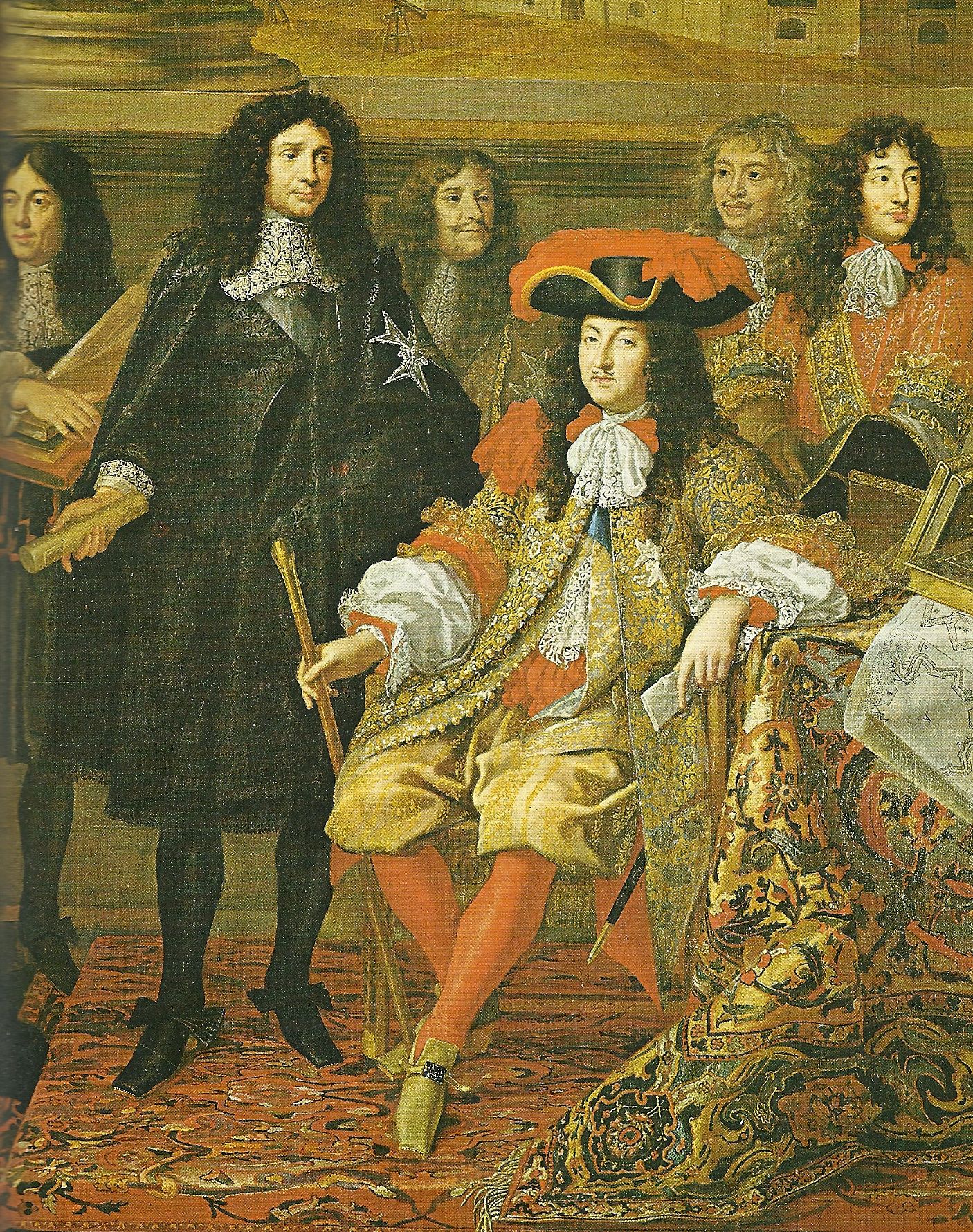
(King Louis XIV. of France (center, sitting) with his Minister Colbert (black robe, standing) during the foundation of the Académie des sciences)
This selection of members helped to solidify the social order that already existed in France and assured that it would apply to the French scientific community as well. Men who were not members of the highest social class, along with all women, were barred from becoming members of the Académie. The supported medical perspective of the time claimed that women could not be rational or credible scientists due to biological differences between men and women, and therefore the first constitution officially prohibited them from joining the Académie. In rendering these people ineligible to join the Académie, the French monarchy was essentially determining who would become the nation's leading thinkers.

(Colbert Presenting the Members of the Royal Academy of Sciences to Louis XIV in 1667 by Henri Testelin, c. 1775)
The exclusionary precedent set by the first members of the Académie had a long-lasting effect that is still seen centuries later. In the early 1900s, Marie Curie was one of the first women nominated to become a member of the Académie (although she did not receive enough votes to secure membership), and the Académie did not see its first female president until Marianne Grunberg-Manago was elected to the position in 1995.
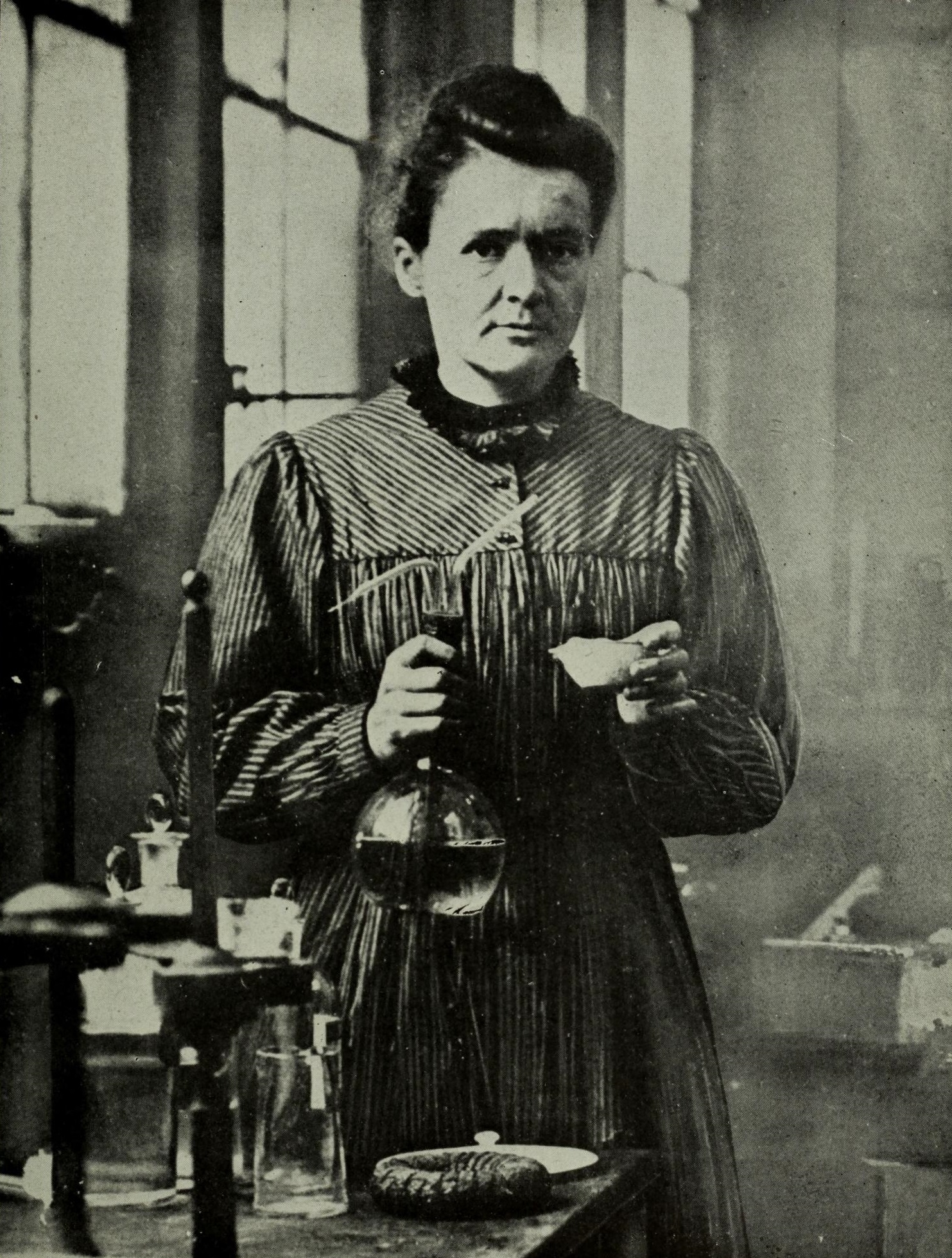
(portrait of Marie Curie in 1921, ten years after the Académie failed to elect her as their first female member)

No comments:
Post a Comment